Welcome to the Phonics and Early Reading Page.
At South Marston, we follow the Read, Write, Inc. systematic synthetic phonics teaching programme. Read, Write, Inc. is a method of learning based upon letter sounds and phonics, and we use it to teach children reading and writing.
During Early Years and Key Stage 1, children will attend a daily phonics session with a trained phonics teacher or Teaching Assistant. Each half term, children are assessed and grouped according to their ability. Dependent on the children’s needs, some children in Key Stage 2 may also attend phonics sessions. Those children who require additional support with their phonics are supported through a combination of: correct phonics grouping, daily/priority reading, phonics tutoring, catch-up programmes, and virtual classroom resources. At South Marston, we use the Read, Write, Inc. tutoring scheme with those who need extra support.

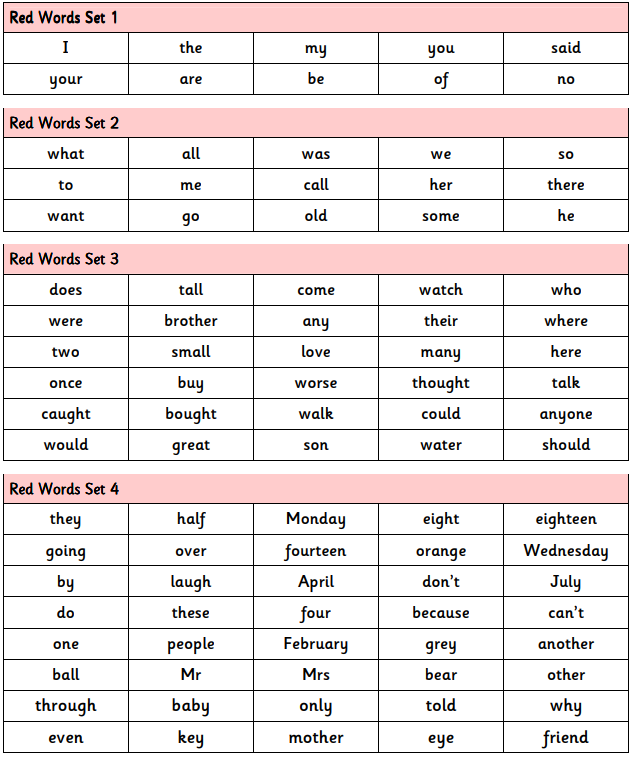
Phonics sessions are split into different sections. These sessions start with a ‘speed sounds’ part of the lesson. This is where children are exposed to and learn about new sounds, this includes reading and writing words containing the focus sounds (/ee/, /ay/ and /igh/ for example). Children will also learn to read a range of ‘green’ (words that can be segmented and blended e.g – shop, teeth, slide) and ‘red words’ (sometimes referred to as ‘tricky words’ – they follow irregular spelling rules and patterns e.g – said, was, the) at a quick and fluent pace. In this section they will also review previously taught sounds.
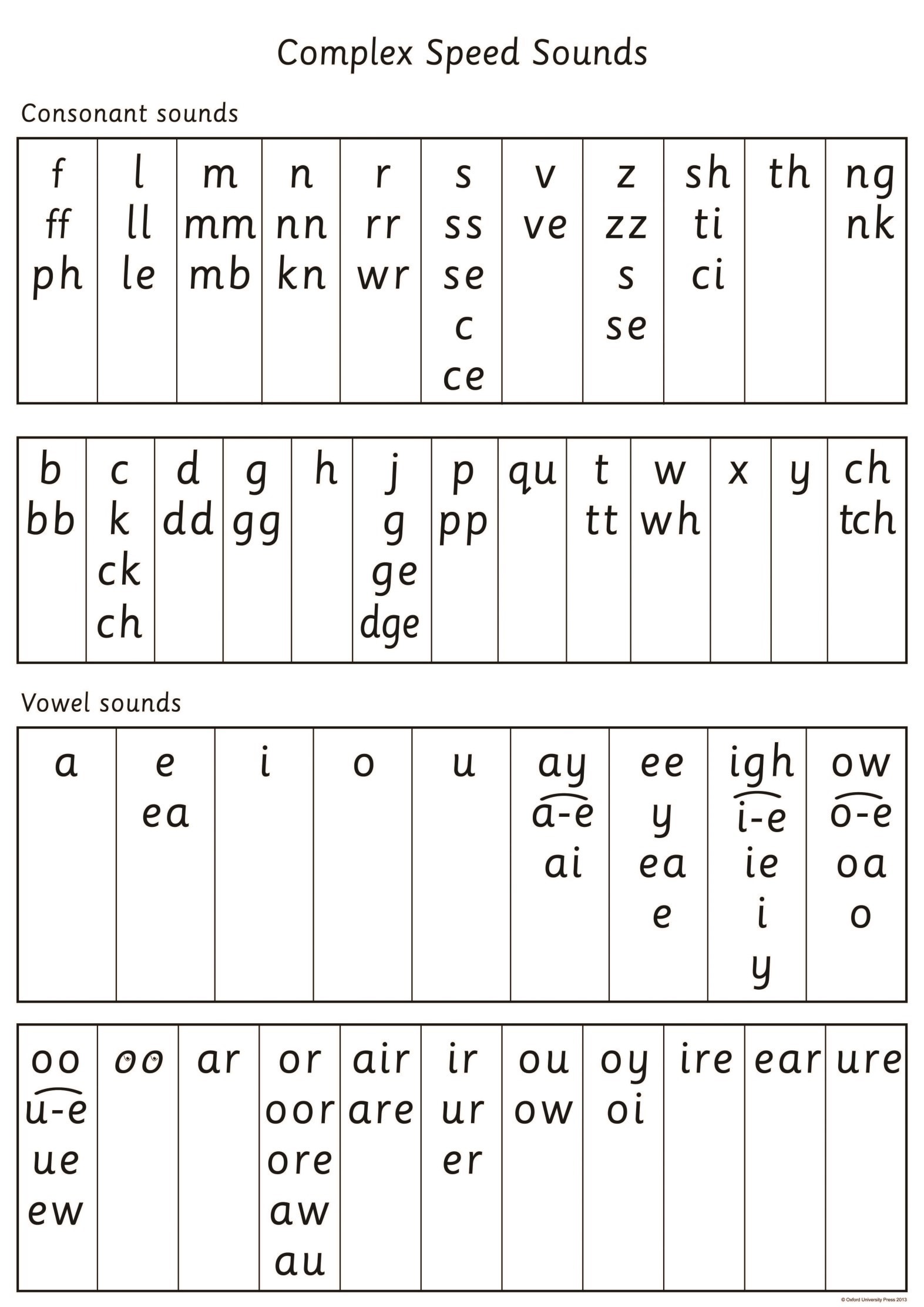
Read, Write, Inc. Complex Speed Sounds Chart
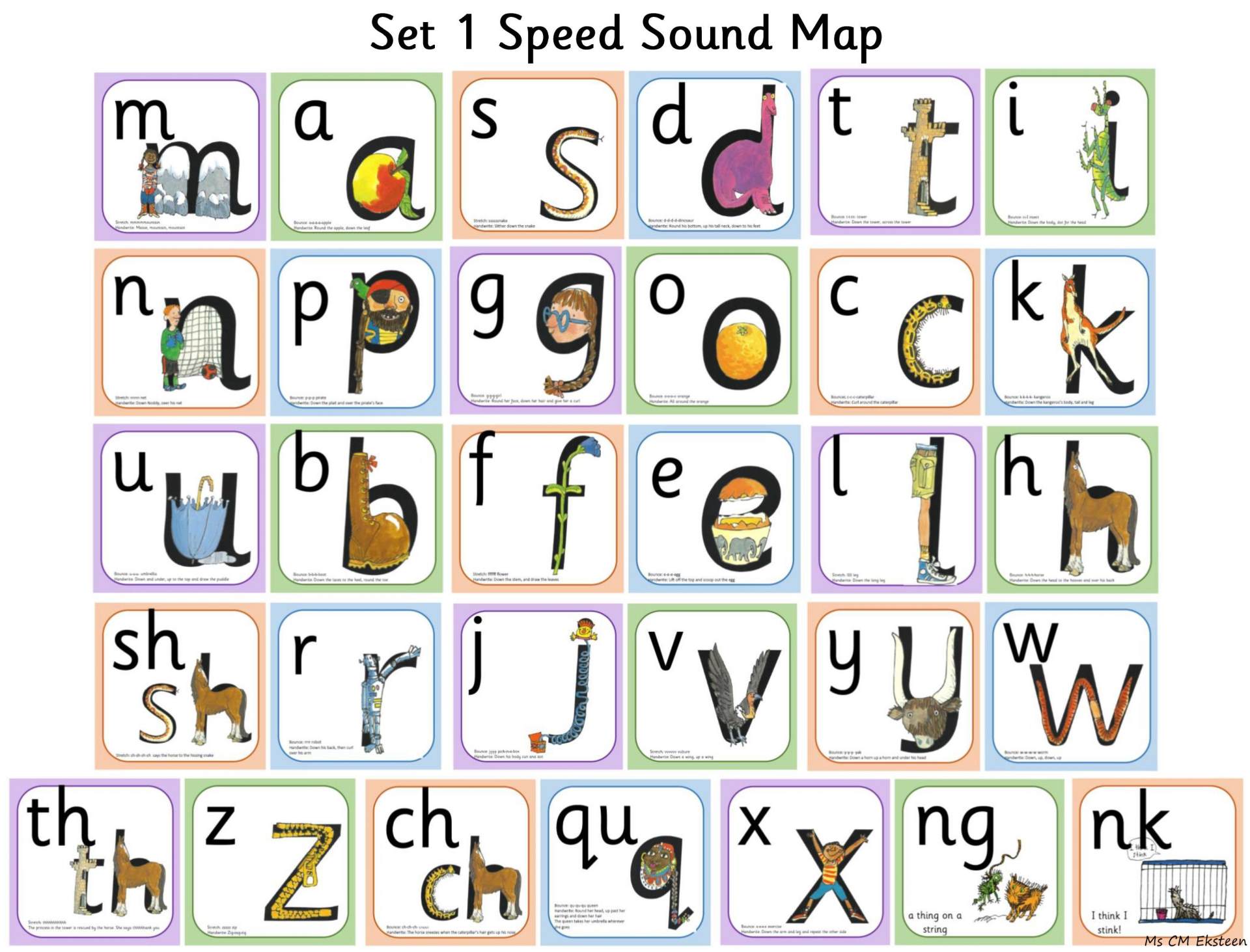
Set 1 Sounds
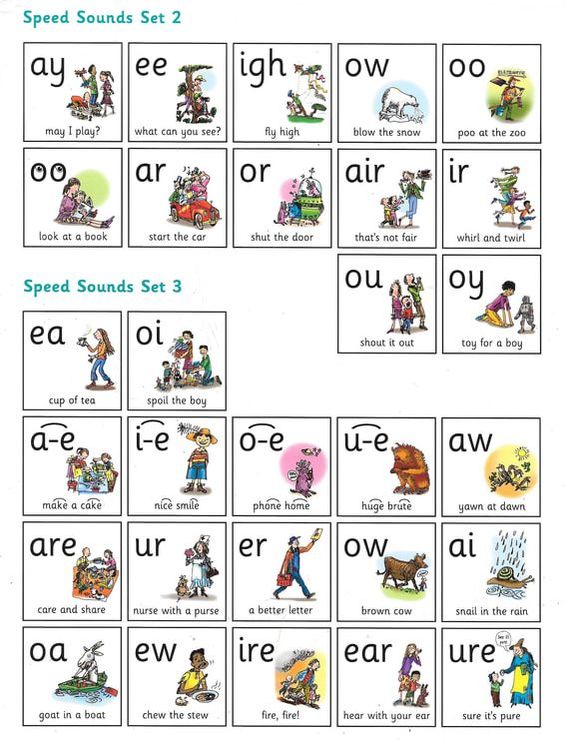
Set 2 and 3 Sounds
Red Words List
We use pure sounds (‘mmm’ not muh’,’sss’ not ‘suh’, etc.) so that your child will be able to blend the sounds into words more easily.
At school, we use a puppet called Fred, who is an expert on sounding out words but can't blend so the children need to help him. We call it, ‘Fred Talk’. E.g. m-o-p, c-a-t, m-a-n, sh-o-p, b-l-a-ck. Sometimes, we use ‘Fred In Your Head’ – this is where children segment and blend words quickly in their heads.
As your child becomes more confident and builds fluency in phonics, the need to segment and blend will decrease.

After the initial ‘speed sounds’ and phonics-based part of the session, there is an emphasis on guided reading. As part of this, each week, children will read a focus text closely matched to their assessed level of phonics reading and participate in a discussion to aid comprehension skills.
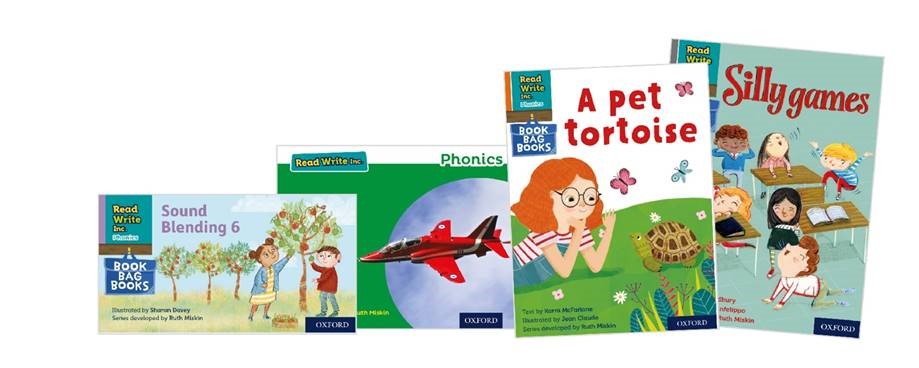
Weekly, your child will bring home reading books. Please encourage your child to read though the speed sounds page first, then the green and red words page and then check your child understands the meaning of words on the vocabulary check page, before they start reading the book. At the back of the book are find it/prove it questions for you to do with your child. The Read, Write, Inc. books are matched to your child’s phonics group/ability.
At our school, we believe that reading is one of the most important skills children develop. To support this journey, every pupil has a Reading Record, which plays a vital role in building strong reading habits and fostering a love of books.
A Reading Record is much more than a diary of books read. It is a valuable communication tool between home and school, allowing parents, carers, teachers, and pupils to share successes, celebrate progress and identify areas where additional support may be needed.
We encourage families to read with their children regularly, even for just 10–15 minutes each day. After each reading session, please take a moment to record the title of the book, the pages read, and any comments about your child's fluency, understanding, or enjoyment. These notes help teachers gain a fuller picture of each child's reading journey and enable meaningful conversations about their progress.
Children are also encouraged to reflect on their own reading by sharing their favourite parts of a story, new vocabulary they have discovered, or any questions they have about the text. Developing these reflective habits helps deepen comprehension and builds confidence as independent readers.
Please ensure that Reading Records are brought to school every day, as they are regularly checked by staff and used during reading sessions. Working together through the Reading Record helps us create a strong partnership between home and school, ensuring every child receives the encouragement and support they need to become confident, enthusiastic readers.
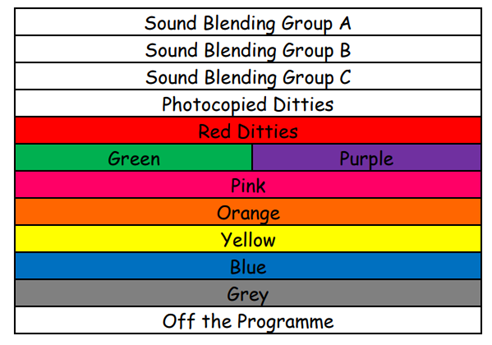
Once children have completed the RWI scheme, they move on to a range of age-appropriate books from other reading schemes. They continue reading these books until staff are confident that they are ready to become independent, or 'free', readers. At this stage, children have greater choice and independence in selecting their reading books.
Phonics Screening Check
At the end of Year 1, all children (unless exempt) will complete a Phonics Screening Check. This is a short assessment set by the government and is carried out by the Class Teacher in June. The child will be required to read 40 words (20 real words and 20 nonsense words). Within phonics sessions, children would have regularly practiced reading a range of real and nonsense words. To help monitor and track children’s progress, in addition to preparing the children for the test, each term, the Class Teacher will conduct a practice phonics screening check. Those children who do not reach the required standard will be required to complete the check again in Year 2. Results of the check will be shared with parents at the end of each academic year. Please note that the check words change yearly.

Past and practice phonics screening check papers/tests can be viewed here:
https://www.satspapers.org.uk/Page.aspx?TId=21
https://www.satspapersguide.co.uk/phonics-screening-test/
Office Opening Hours: 8.30am - 4:00pm
Telephone Number: 01793 823379
Head Teacher: | Mrs Marie Hendry |
Assistant Head Teacher: | Mr Mason Conlan |
Business Officers: | Mrs Jayne Smith & Miss Nicole Townsend |
Chair of the Governors: | Mrs Alison Robb-Webb (contact the school office for details) |
Copyright South Marston Church of England Primary School © 2026
Website by Warp Design & Thinking Creative